Creating Calm, Light-Filled Living Rooms
A living room can feel brighter and more restful without relying on a major renovation. The key is to work with the daylight available, keep the layout easy to use and choose a restrained mix of colours, textures and furnishings.
Make the most of daylight
Start by noticing how light moves through the room during the day. Keep the area around windows as open as practical, and avoid placing bulky furniture where it blocks the brightest parts of the room. If privacy is needed, consider lightweight curtains or adjustable blinds that soften the view without making the windows feel closed off.
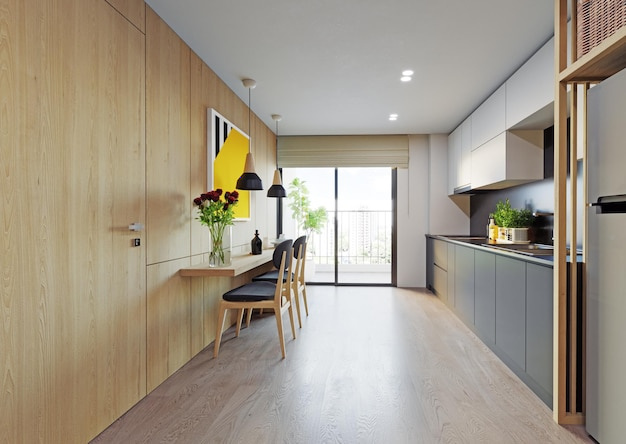
Mirrors can help spread light through a space when positioned thoughtfully. Place one where it reflects a window or a bright area, rather than facing a cluttered corner. A mirror will not add daylight, but it can make the room feel more open.
Choose a calm, layered palette
Soft neutrals, muted greens and gentle earth tones can create a settled atmosphere. They do not have to be used on every surface: a light wall colour can sit alongside deeper cushions, a timber coffee table or a textured rug. This contrast gives the room warmth while keeping its overall impression light.
Consider how colours look in the room at different times of day. A shade that appears warm in morning light may feel different under lamps in the evening. Testing paint samples on more than one wall can help you judge the effect before committing.
Arrange furniture for ease
A clear route through the room makes it feel less crowded. Arrange seating to encourage conversation, while leaving enough space to move comfortably between the sofa, chairs and doors. In a smaller room, furniture with visible legs can allow more floor to show, helping the space feel less heavy.
Choose pieces that suit the room’s proportions. A large sofa may be comfortable, but if it dominates the space, a smaller sofa paired with an occasional chair could create a more balanced arrangement.
Layer the lighting
Natural light changes throughout the day, so plan for evenings as well. Combine general lighting with lamps that provide softer light where it is needed, such as beside a reading chair or near the sofa. Several sources at different heights can make the room feel more welcoming than relying on one bright ceiling light.
Warm-toned bulbs often create a relaxed mood, while task lighting should be bright enough for reading or other activities. Dimmers can offer flexibility where they are suitable for the existing fittings.
Add texture without visual clutter
Natural materials such as wood, wool, linen and stone can bring depth to a calm interior. Mix a few textures rather than introducing many competing patterns. A woven rug, a linen cushion or a timber surface can make a pale room feel inviting without interrupting its simplicity.
Keep decorative objects considered. A few meaningful pieces displayed with space around them can have more presence than many items covering every surface. Closed storage helps keep everyday belongings close at hand while maintaining a clear visual focus.
Finish with a practical edit
Before adding anything new, remove or relocate items that do not support how you use the room. Check that seating is comfortable, lighting works for daily routines and surfaces are easy to maintain. Plants can add colour and softness where there is suitable natural light, but they should complement the room rather than crowd it.
A calm, light-filled living room is not defined by a single colour scheme or style. It comes from balancing daylight, comfortable furniture and thoughtful details so the space feels open, useful and restful.